
Survivor Day is the one day a year when people affected by suicide loss gather around the world at events in their local communities to find comfort and gain understanding as they share stories of healing and hope. On Saturday, November 17, 2018, loss survivors will gather around the globe in small and large events while growing together in their grief journey. Whether the person is a suicide survivor or whether a friend or family member has lost someone to suicide or knows someone who has survived a suicide attempt; this awareness days sheds light on the individuals who are directly and indirectly affected by suicide. Suicide is the third leading cause of death among young people and men are more successful on the first attempt whereas women attempt suicide more often. Each year 42, 773 individuals die by suicide and there are 25 attempts for every successful suicide. Suicide is one of the biggest cries for help from the depths of one soul. Based on the accounts of those who have attempted suicide and lived to tell about it, we know that the primary goal of suicide is not to end life, but to end pain. In other words, suicide is an end to an individual’s suffering but it can lead to a lifetime of pain and suffering for the survivor’s loved ones. The reasons for committing suicide goes far and beyond anyone or two causes however studies have shown that approximately 90 percent of individuals who die of suicide have a diagnosable mental health disorder. The most common mental health disorders associated with suicide include schizophrenia, bipolar disorder, substance abuse disorder, personality disorders, anxiety disorders, and depression.
Grieving after suicide loss
Losing a loved one by suicide can result in many unwanted emotions including shock, anger, guilt, despair, loneliness, and confusion. Research has long known that suicide survivors move through very distinctive bereavement issues. Family and friends are prone to feeling significant bewilderment about suicide. Why did this happen? How did I not see this coming? Overwhelming guilt about what they should have done more of or less of, become daily, haunting thoughts. Survivors of suicide loss often feel self-blame as if somehow they were responsible for their loved one’s suicide. Many also experience anger and rage against their loved one for abandoning or rejecting them, or disappointment that somehow they were not powerful enough loved enough or special enough to prevent the suicide.
You might continue to experience intense reactions during the weeks and months after your loved one’s suicide, including nightmares, flashbacks, difficulty concentrating, social withdrawal and loss of interest in usual activities, especially if you witnessed or discovered the suicide. You may feel that you cannot express your feelings or thoughts because of the negative stigma attached to suicide. As a suicide survivor or a loved one of someone who has committed suicide, it is important to acknowledge your feelings, seek help, grieve and find a support system that will not only acknowledge your reality and feeling but guide you through this time in your life.
Seeking help
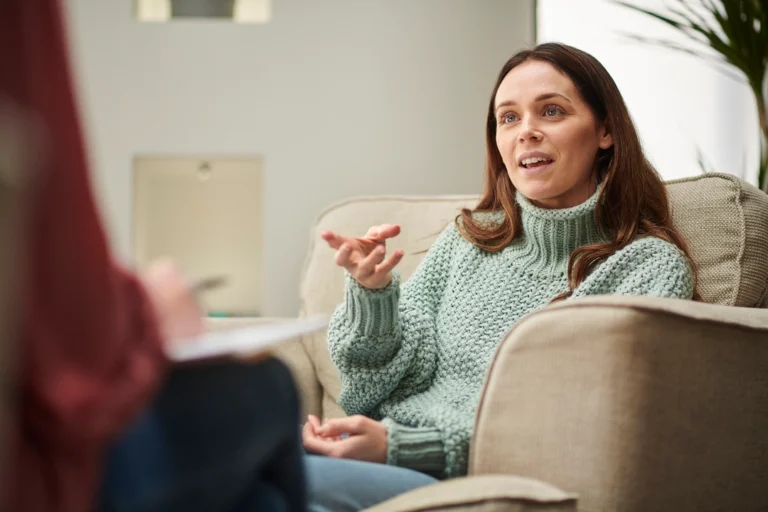
Part two of this blog gives specific ways to seek help for your feelings associated with the loss of a loved one. It is important to find a community that supports you and to be honest with your emotions. Understand that it is normal to feel anger and sadness and that you may need to seek grievance counseling from a mental health professional. Keep your loved one close to your heart and be patient with this process.