
Teenage Addiction and Self-Harm: Co-occurring Disorders

Nonsuicidal self-injury disorder, better known as self-harm, is characterized by the purposeful actions of causing physical harm to oneself without the intention of committing suicide. Cutting and burning are the two most common types of self-injury behavior. This behavior is more common in teenagers and adolescents and occurs due to severe underlying emotional pain and […]…
How Can I Tell if My Child Has Anxiety?

An anxiety disorder is characterized by an irrational, persistent, and overwhelming sense of fear and worry that interferes with daily activities. Anxiety disorders affect 25.1% of children between 13 and 18 years old and can commonly co-occur with depression, eating disorders, and attention-deficit/hyperactivity disorder (ADHD). Anxiety disorders in children can prevent them from making friends, […]…
Chronic Fatigue Syndrome vs. Depression

Updated 4/16/25 Depression is a leading cause of disability in the United States and with so many different signs and symptoms, it can be difficult to diagnose. In fact there are many other disorders that mimic depression including hypothyroidism, vitamin D deficiency, fibromyalgia, diabetes, dementia, and chronic fatigue syndrome. Chronic fatigue syndrome is a medical […]…
World Aids Day: Mental Health Disorders Associated with HIV/AIDS
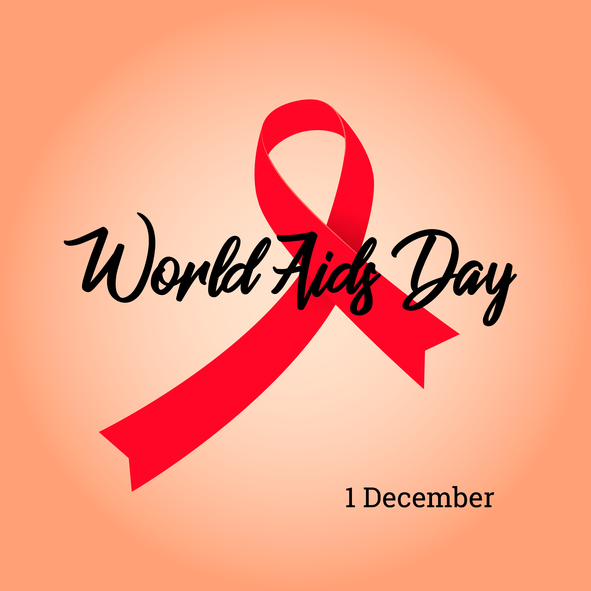
Globally, there are an estimated 36.7 million people who have the virus. Despite the virus only being identified in 1984, more than 35 million people have died of HIV or AIDS, making it one of the most destructive pandemics in history. December 1st is known as World AIDS Day and is celebrated throughout the world […]…