
What Can Discovery Do for My Alcohol Use Disorder?

According to statistics, alcohol is the most commonly used addictive substance in the United States: 17.6 million people or one in every 12 adults are diagnosed with an alcohol abuse disorder and millions of more individuals engage in risky behaviors such as binge drinking that can potentially lead to alcohol abuse disorder. Alcohol use disorder […]…
Treatment for Vicodin Addiction

According to studies, hydrocodone/acetaminophen, commonly known as Vicodin, Norco or Lortab, had approximately 123.3 million prescriptions in 2014. Vicodin is a commonly prescribed opioid that is used to treat severe pain. Vicodin comes in pill form and like many other opioids, is overly prescribed for mild to moderate pain. This prescription painkiller is one of […]…
Treatment for Self-Harm

Unlike most other mental health disorders, there is no defined treatment for self-harm that has been studied extensively with proven clinical results. Treatment is aimed at recognizing and treating the underlying cause such as low-self esteem, impulsivity, depression, family dysfunction and conflict, poverty or abuse. An individual will often enter therapy with complaints not associated […]…
Telemedicine is Making a Breakthrough in Mental Health

Studies are showing that depression and anxiety rates are increasing among individuals in the United States and access to mental healthcare is becoming more expensive and clients are rapidly outnumbering mental healthcare professionals. As a result, telemedicine is becoming more popular in the mental health realm because it allows for easier more convenient access for […]…
Symptoms and Warning Signs of Alcohol Addiction
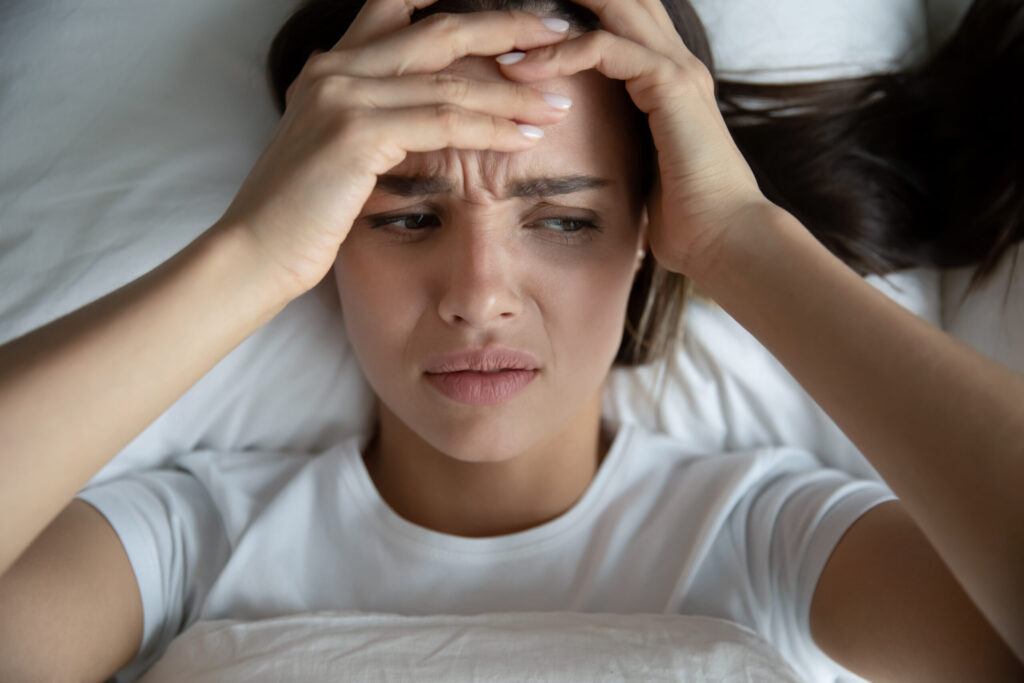
Updated 4/18/25 Alcohol is the most commonly used addictive substance in the United States: 17.6 million people or one in every 12 adults are diagnosed with an alcohol abuse disorder and millions of more individuals engage in risky behaviors such as binge drinking that can potentially lead to alcohol use disorder. Alcohol can affect every […]…
Signs, Symptoms and Causes of Reactive Attachment Disorder
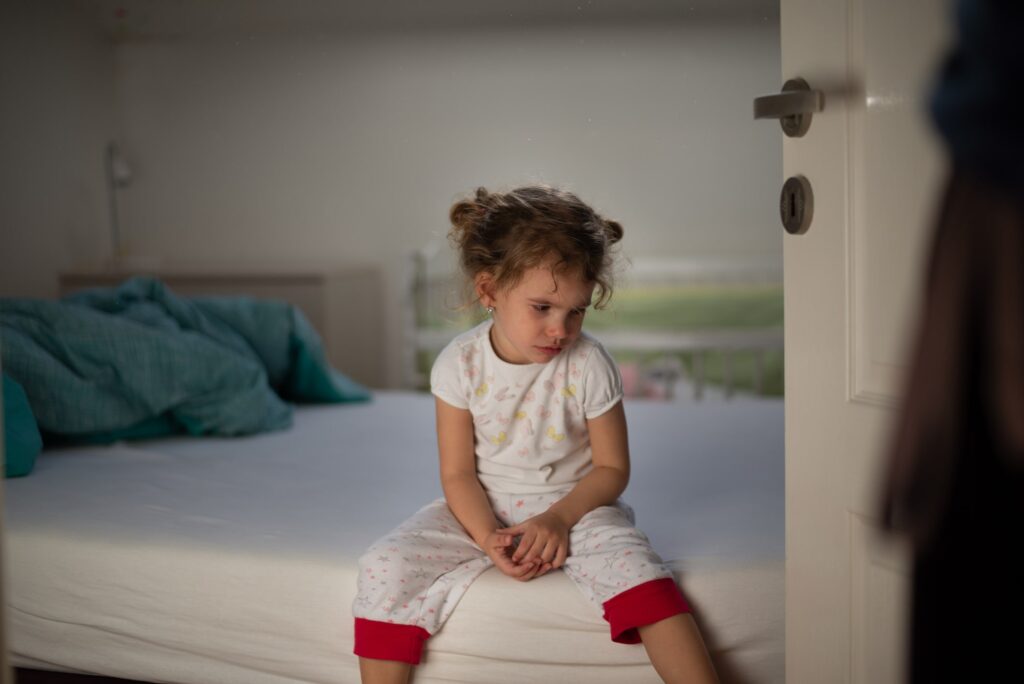
Reactive attachment disorder also known as RAD occurs in children 9 months to 5 years of age. It is normal for children to attach to their parents and caregivers. In fact, stranger anxiety peaks at 6 months-12 months of age and is totally normal during this developmental stage. Children who have RAD rarely seek or […]…
Signs and Symptoms of Opioid Intoxication, Withdrawal and Addiction
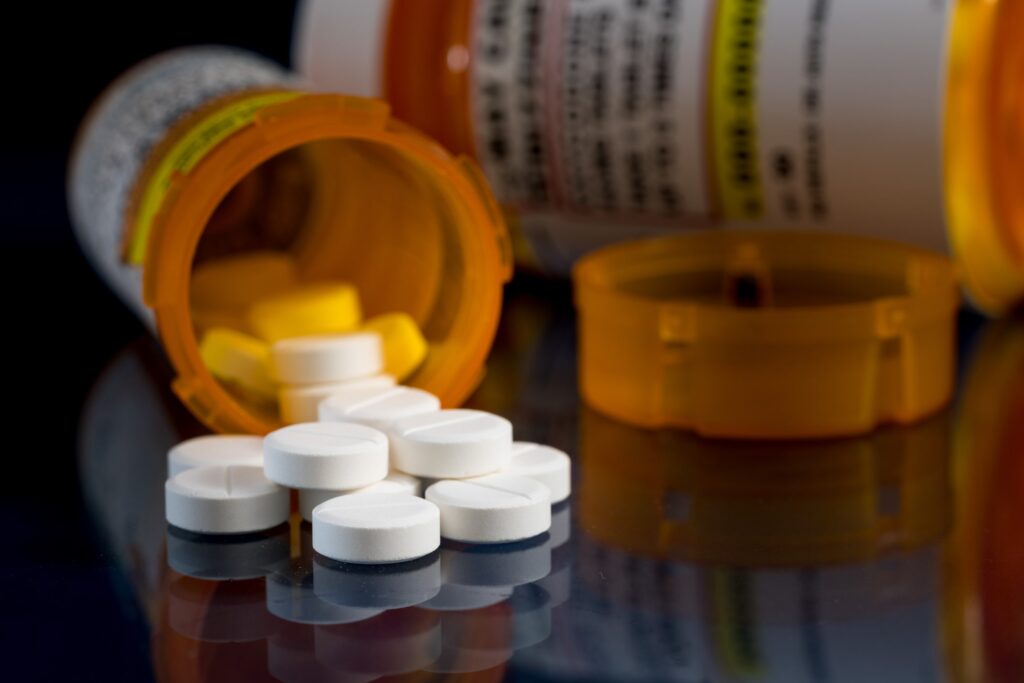
The opioid epidemic has been ravishing through the United State of America since the 1990s and it has been worsening over the years. According to statistics from the Center for Disease Control, the number of individuals who have died from opioid overdose since 1999 has nearly quadrupled and in 2014, the most recent year for […]…
Self-Harm: What Can I Do Next?

Seeking help for self-harm behavior is necessary however you must be willing to seek treatment and put in the effort required to manage the urges to engage in self-harm behavior. It is important to find a way to express your feelings in a positive way. Distractions and learning how to communicate are two important ways […]…
Help for Parents of Children with Reactive Attachment Disorder
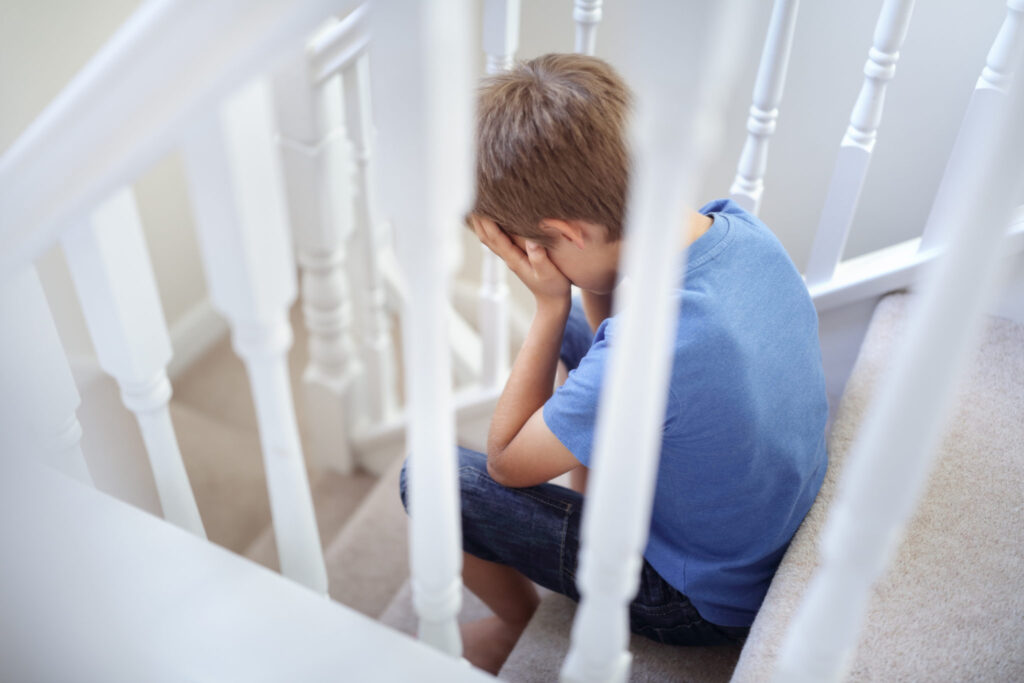
Updated 4/24/25 As a parent, having a child with reactive attachment disorder (RAD) can be frustrating and disheartening, as you want so much for your child to show affection towards you. It is often difficult for children with reactive attachment disorder to be diagnosed because signs and symptoms are very similar to autism spectrum disorder […]…
Prescription Pill Addiction: What Can I Do Next?
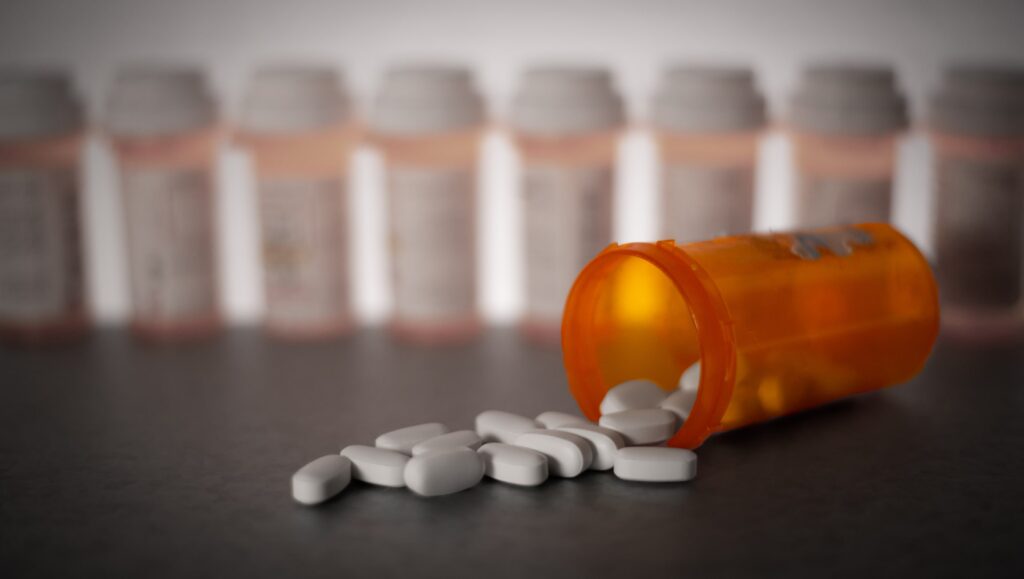
Recognizing the signs for prescription pill addiction is the first step to developing the awareness that you need treatment. There are many different treatment options for prescription pill addiction that includes a combination of medications and psychotherapy. Depending on the severity, you may be placed in an inpatient treatment center such as residential treatment or […]…