
Opioid Addiction: What can I do next?

Opioid addiction is life-threatening and this addiction should be taken seriously. Most individuals continue to abuse opioids because the withdrawal effects are extremely painful. Due to the painful and agonizing opioid withdrawal effects, many individuals will continue to use and therefore it is important to seek help from a treatment center who will help with […]…
New Treatment Recommendations from the APA on Alcohol Use Disorder

Alcohol use disorder is a widespread disorder that is affecting millions of individuals each year. Some individuals try to quit drinking “cold turkey,” some seek medications from their doctor, some go to Alcoholics Anonymous and others check into a rehabilitation facility. New practice guidelines have just been released indicating the first line of treatment recommendations […]…
Do I have a Marijuana Addiction?
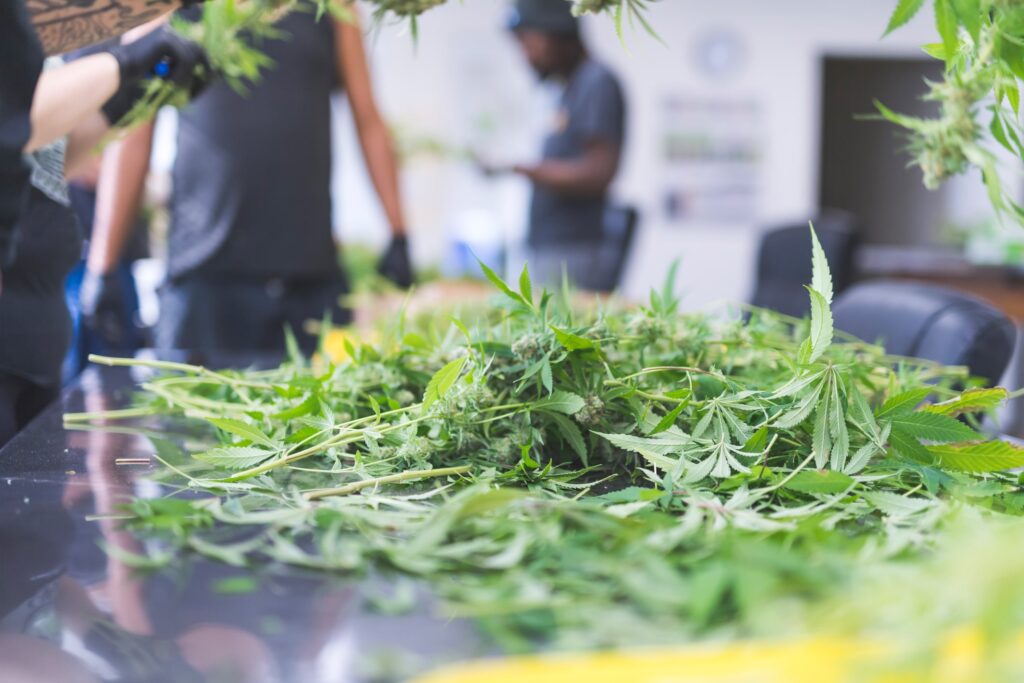
Cannabis or marijuana is the most commonly used illicit drug in the United States and is widely used among teenagers and adolescents. Although there may be medicinal benefits for individuals with severe chronic disease, studies have shown that marijuana addiction is possible. Cannabis is composed of two main ingredients: delta-9-tetrahydrocannabinol, more commonly known as THC, […]…
Treating my Depression

Discovery Mood & Anxiety is a leading mental health treatment center that has locations across the United States and has been treating individuals with mental health disorders, eating disorders and substance abuse disorders for over 20 years. Discovery Mood & Anxiety believes in an individualized all-around treatment approach that involves not only the client but […]…
How Can I Treat my Opioid Addiction?

Treatment for opioid addiction is best suited with a combination of medications and psychotherapy. Unfortunately, “quitting cold turkey” has a poor success rate; fewer than 25 percent of individuals are able to remain abstinent for a full year. This is where medication-assisted treatment options like methadone, naltrexone, and Suboxone can be used to help treat […]…
How Can I Treat my Anxiety Disorder?

Anxiety disorders can be treated with a combination of pharmacological therapy and psychotherapy. Studies have shown that when used in combination versus alone, both of these treatments can have faster clinical outcomes with longer-lasting effects. The two classes of pharmacological therapy used to treat anxiety disorders are antidepressants and benzodiazepines. Psychotherapy used to treat anxiety […]…
How Can I Treat My Alcohol Addiction?

Alcohol addiction can result in many medical complications and can also occur with other mental health disorders and substance abuse disorders creating an increased risk for suicide. Seeking professional treatment for your alcohol abuse disorder is imperative as quitting alcohol without any type of medical intervention can lead to severe withdrawal seizures and even death. […]…
What causes Bipolar Disorder and Who does it Affect?

Who is affected? Bipolar disorder affects men, women, children, and adolescents from different ethnic backgrounds and social classes. Like all other mental disorders, bipolar disorder does not discriminate. The lifelong prevalence of this disorder is known to affect approximately one to two percent of the U.S. population. The age of onset for bipolar disorder ranges […]…
Trauma and Mental Health

Updated 4/18/25 Trauma and mental health share a prevalent link and are known to be the underlying trigger for multiple substance use disorders. Trauma can be divided into two major categories: catastrophic events such as physical abuse or injury, sexual assault or a natural disaster or repetitive emotionally painful experiences such as child neglect, bullying, […]…
Do I Have Bipolar Disorder?

Bipolar disorder is generally misconstrued as a disorder of rapidly ricocheting moods that go from deep misery to extraordinarily elevated self-belief however this common mood disorder is much more complex than the assumed emotional labile rollercoaster that our society believes. Statistics reveal that 2.5 million Americans over the age of 18 are believed to be […]…